
Subscribe
February 2010
M T W T F S S
« Jan    
1234567
891011121314
15161718192021
22232425262728
Yoga Teacher Training
The Yoga Teacher Training Blog will keep you up to date with the latest Yoga music, Yoga products, Yoga exercises, and Yoga certification programs. Yoga instructor certification courses are changing rapidly and this Blog is designed for the continuing education of Yoga teachers. Some of the writing concerning different aspects of Yoga is supplied from guest Yoga authors and Yoga teachers. If you are a Yoga teacher, or Yoga author, and wish to have your work published, please feel free to contact me. We also publish and promote Yoga, meditation, and self-help e-Books by outside authors, and authors with whom we have a partnership.

Cueing Tips

Yoga and Diabetes

Prepared by: Dora Szabo

“The body becomes strong and healthy. Too much fat is reduced. There is luster in the face. Eyes sparkle like diamonds. The practitioner becomes very handsome. Voice becomes sweet and melodious”  /Swami Sivananda/

1. Introduction

Practicing yoga is the path towards the wholeness of our lives. An individual is a complex unit, where all the physical, emotional, mental and spiritual layers are in interaction.

While western medical science focuses on the symptoms of disease and various health disorders, yoga takes an effect on the deeper lying causes. The physical body and its health or illness reflects the subtle body of a human being. It shows their mental state and emotions, how they use their mind, approach the world and themselves.

Regular yoga practice starting from the more subtle layers can gradually shape the physical body too towards a more healthy, harmonious and energetic existence. It helps us understand that happiness is the basis of a healthy and harmonious body and soul. It also helps us find it inside ourselves as yoga practice can lead to a physical, mental and spiritual equilibrium that is the source of all happiness. In this condition our vitality is inexhaustible, we stay clear of the negative impacts of aging and reduce the risk of getting sick. Then we live in direct connection with the infinite energy of the universe and can master our own existence.

Naturally all of the above is a simplified explanation of what exactly happens when the different layers of a human being interact. Yoga provides a scientific, precise and logical approach to healing physical disorders. Besides its effect on the subtle body, each yoga exercise has a specific physical impact on the body too. Each exercise is a unique way to help us understand and harmonize a specific area of existence – be it a touch of flu, insomnia or a more serious disease like diabetes.

2. What is Diabetes?

Diabetes is a disorder that affects the way the body uses food for energy. Normally, the sugar taken in is digested and broken down to a simple sugar, known as glucose. The glucose then circulates in the blood where it waits to enter cells to be used as fuel. Insulin, a hormone produced by the pancreas, helps move the glucose into cells. A healthy pancreas adjusts the amount of insulin based on the level of glucose. But, in case of diabetes, this process breaks down, and blood sugar levels become too high.

There are two main types of full-blown diabetes. People with Type I diabetes are completely unable to produce insulin. People with Type II diabetes can produce insulin, but their cells don’t respond to it. In either case, the glucose can’t move into the cells and blood glucose levels can become high. Over time, these high glucose levels can cause serious complications.

There is also a condition referred to as Pre-Diabetes. Pre-diabetes means that the cells of the body are becoming resistant to insulin or the pancreas is not producing as much insulin as required. The blood glucose levels are higher than normal and it is a warning sign that diabetes may develop later.

3. Can Yoga help control diabetes?

There have been numerous studies over the years on the health benefits of Yoga, including its effect on controlling diabetes. There has been some dialogue over whether the benefits achieved with Yoga practice are short-term or long term. However, there is no doubt that Yoga can control diabetes at significantly reduced insulin levels for Type I diabetics and can also control diabetes without any external medication for Type II diabetics. Naturally, Type I diabetes (no production of insulin) is more difficult to treat with Yoga but Type II diabetes can be treated very effectively. Regular Yoga practice can also prevent and heal the ravages of the complications caused by diabetes with the body’s own medicine.

As we know, diabetes affects the pancreas, and endocrine gland due to a sympathetic-parasympathetic imbalance in the body. Yoga recognizes this and helps to restore the balance through a set of practices, including Yoga poses, breathing exercises, diet, meditation and relaxation practices. Let us now look at the five key elements of Yoga practice to see how each one of them contributes to a healthier organism from the point of view of diabetes.

3.1. Proper Breathing

The average person uses only 10% of their lung capacity. This shallow breathing pattern is associated with the “fight or flight’ syndrome which drives blood glucose levels high and also inhibits the body from producing insulin. Pranayama teaches us to maximize the use of the lung capacity as much as possible. It also helps us neutralize the stress that contributes to high blood sugars associated with diabetes. Some of the breathing exercises found particularly beneficial in curing diabetes are:

1) Bhastrika Pranayama

2) Kapalabhati Pranayama

3) AgniSar Kriya

4) Bahya Pranayama

5) Anuloma – Viloma Pranayama

6) Bhramari Pranayama

7) Udgit Pranayama

It is important to note that at-least half an hour per day needs to be invested in the Pranayama practice for its benefits to manifest. While performing the breathing exercises to control diabetes it is recommendable to focus on the pancreas, imagining the normal secretion of insulin. For beginners, it is best to practice Pranayama in the presence an expert Guru at first.

Pranayama has calming effect on nervous system, which reduces stress levels, helping in diabetes treatment. The abdominal muscles and diaphragm are used intensely which puts pressure on the internal organs. Some Yoga schools also claim that diabetes is caused to a large extent by breathing mainly through the right nostril and breathing techniques like Anuloma – Viloma Pranayama can help balance the flow of air through both nostrils.

3.2. Proper Exercise

Asanas are beneficial in treatment of diabetes because they act like insulin, reducing blood glucose levels. During continued moderate exercise glucose is more effectively used in the muscles and they can take in more glucose than they normally do. Due to various twists and stretches in the body, these postures cause the internal viscera to stretch, bringing stimulation to the pancreas and other glands and organs that otherwise receive no stimulation. This increases the blood and oxygen supply to the organs increasing the efficiency and functioning of the organ. Improved blood flow also helps prevent complications of diabetes linked with impaired blood flow. Stretching various glands result in increased efficiency of the endocrine system, have a positive effect on the pancreas and also insulin functioning. Exercise helps remove fatty acids from the blood and builds more muscle mass, so it generates a positive spiral as more muscles can take in more glucose and there is less fat to block the process. Some of the Yoga postures found particularly beneficial in curing diabetes are:

 1) Shavasana

2) Sukhasana

3) Padmasana

4) Vajrasana

5) Surya Namaskar

6) Matsyasana

7) Pashimottanasana

8) Janushirasana

9) Sasangasana

10) Ardha Kurmasana

11) Ardhmatsyendrasana

12) Pawanmuktasana

13) Ustrasana

14) Bhujangasana

15) Salabhasana

16) Dhanurasana

17) Tadasana

18) Trikonasana

It is important to maintain the Asana for longer duration after attaining the position while relaxing the muscles. Diabetics taking insulin or oral medication must monitor their blood sugar levels before during and after exercise because it can drop radically.

However, if applied correctly, the above postures can help reverse diabetes. The positive spiral induced by Yoga is not yet understood completely, but it has been linked with the increased muscular relaxation, lower blood pressure and weight loss. It is also related to stretch on the pancreas, which stimulates the pancreatic function.

3.3. Proper Relaxation

It has been shown that stress alters blood glucose levels as it blocks the body from producing insulin. Therefore proper relaxation and the resulting reduction in stress levels is key to managing diabetes, especially in type II diabetics.

The reduced stress levels and level of ‘stress hormones’ (adrenaline, noradrenalin and cortisol) in the blood are believed to improve the insulin action. However, for relaxation to be efficient, the brain waves have to be slowed down. This means that the common western ways of ‘relaxing’ (watching movies, dancing, etc) does not actually release stress from the body. It could also happen during sleep but people who are constantly stressed often have trouble entering deeper states of relaxation during sleep. Therefore the conscious relaxation promoted by Yoga (i.e. physical, mental and spiritual relaxation) can be highly beneficial in reducing stress levels and in lowering blood glucose levels.

3.4. Proper Diet

Yoga promotes a simple diet of natural fresh foods as this ensures maximum vital energy intake. Processed, refined and overcooked foods are avoided as these processes destroy much food value. There are many possible explanations for maintaining a vegetarian diet, physical, mental and spiritual. On the physical level, recent research shows a link between the amounts of processed and red meat eaten and the development of type II diabetes. One study published in Diabetologia showed that the high intake of total meat increased the risk of diabetes by 17 per cent, red meat increased the risk by 21 per cent and processed meat by 41 per cent. Meat consumed never completely breaks down but ferments and rots in the gut, releasing uric and nitric acid. In the long run, this leads to the destruction of intestinal villi in the small intestine, therefore maintaining a light vegetarian diet can be very beneficial in preventing or controlling diabetes too.

3.5. Positive Thinking and Meditation

As described earlier, stress is considered a leading cause of diabetes. Research studies suggest that practicing meditation regularly helps reduce the body’s responses to stress by lowering blood pressure, slowing heart rate, reducing oxygen intake, and changing the brain waves to a more relaxed state. Moderating the stress response is also likely to lower blood glucose levels.

On the other hand, constant negative thought vibrations emitted obstruct the organism’s healing process. As David Spero puts it: „When you have a chronic condition such as diabetes, MS, or one of hundreds of others, negative thoughts like those can be crippling.”

It is therefore essential for diabetics to control the thoughts emitted, as thoughts soon become emotions and emotions become our actions. Meditation has been found to be the most efficient method to enhance both our attitude and control for greater self-awareness, better relationships, less stress, depression and anxiety.

4. Summary

As we have seen there are various ways in which diabetes is preventable and even reversible through proper diet, exercise and lifestyle change promoted by Yoga. It will help balance the endocrine system, tone the abdominal organs, stimulate both the nervous and circulatory system, and reduce stress. However, it is important to remember also that none of the above can be considered the primary aim of Yoga. The final goal of all Yogic teaching is to achieve a state of union with the Supreme Soul, where there is no duality. Therefore the real challenge is not to see yoga as a treatment for disease, but as an opportunity to see something deeper in the self. As Elliott S. Dacher puts it: “While many doctors and patients demand proof that yoga really can help certain medical conditions, they risk overlooking yoga’s far-reaching benefits.”

Studies on how Diabetes can be benefited by Yoga published by Timothy McCall, MD :

Shembekar, AG and Kate, SK. Yoga exercises in the management of diabetes mellitus.
Journal of the Diabetes Association of India, 1980 (20) 167-171.

Jain SC, Uppal A, Bhatnagar SO, Talukdar B. A study of response pattern of non insulin dependent diabetics to yoga therapy.
Diabetes Res Clin Pract. 1993 Jan;19(1):69-74.

Monro R E, Power J, Coumar A, Nagarathna R, Dandona P 1992 Yoga Therapy for NIDDM.
Complementary Medical Research 6: 66–88.

Singh S, Malhotra V, Singh KP, Madhu SV, Tandon OP. Role of yoga in modifying certain cardiovascular functions in type 2 diabetic patients.
Assoc Physicians India. 2004 Mar;52:203-6.

Malhotra V, Singh S, Singh KP, Gupta P, Sharma SB, Madhu SV, Tandon OP. Study of yoga asanas in assessment of pulmonary function in NIDDM patients.
Indian J Physiol Pharmacol. 2002 Jul;46(3):313-20.

Singh S; Malhotra V; Singh KP; Sharma SB; Madhu SV; Tandon OP. A preliminary report on the role of Yoga Asanas on oxidative stress in non-insulin dependent diabetes mellitus.
Indian Journal of Clinical Biochemistry. 2001 Jul; 16(2): 216-20

Malhotra V, Singh S, Tandon OP, Sharma SB. The beneficial effect of yoga in diabetes.
Nepal Med Coll J. 2005 Dec;7(2):145-7.

Malhotra V, Singh S, Tandon OP, Madhu SV, Prasad A, Sharma SB. Effect of Yoga asanas on nerve conduction in type 2 diabetes.
Indian J Physiol Pharmacol. 2002 Jul;46(3):298-306.

 
List of References:

1. Internet Resources:

Diabetes, Yoga and Meditation. 5/25/09

http://diabetes.ygoy.com/2009/26/diabetes-yoga-and-meditation/

Joseph B. Nelson, MA, LP: Meditation and the Art of Diabetes Management. 6/24/06 http://www.diabetesselfmanagement.com/articles/alternative-medicine-complementary-therapies/meditation_and_the_art_of_diabetes_management/all/

David Spero: Changing Killer Thoughts. 6/15/09

http://www.diabetesselfmanagement.com/blog/david-spero/changing-killer-thoughts/

Meat Causes Diabetes and Cancer. 11/03/09

http://articlesofhealth.blogspot.com/2009/11/meat-causes-diabetes-and-cancer.html

Kathryn Watson: Can Relaxation Techniques Help Me Manage My Diabetes?

http://ezinearticles.com/?Can-Relaxation-Techniques-Help-Me-Manage-My-Diabetes?&id=445804

Julian Goldstein: Is Therapeutic Hatha Yoga A Cure for Diabetes?

http://www.bikramyoga.com/testimonials/Diabetes.htm

Dr Sujit Chandratreya (MD, DM, DNB, Endocrinologist, Diabetologist): Diabetes & Yoga

http://www.yogapoint.com/therapy/diabetes_yoga.htm

Timothy McCall, MD: 50 Health Conditions Benefited by Yoga (as shown in scientific studies)
© 2007 (Updated June, 2009)

http://www.drmccall.com/50updatedwithreferences6-09.pdf.

Dr Sujit Chandratreya (MD, DM, DNB, Endocrinologist, Diabetologist): Yoga & Diabetes
http://www.yogapoint.com/therapy/diabetes_yoga.htm

2. Other Publications

D. Aune, G. Ursin, M.B. Veierod: Meat consumption and the risk of type 2 diabetes: a systematic review and meta-analysis of cohort studies.
Diabetologia, November 2009, Volume 52, Issue 11, Pages 2277-2287
The pH Miracle Revisited, Dr. Robert and Shelley Young, July, 2010.

Singh S, Malhotra V, Singh KP, Madhu SV, Tandon OP: Role of yoga in modifying certain cardiovascular functions in type 2 diabetic patients.
Department of Physiology, University College of Medical Sciences and GTB Hospital, Shahdara, Delhi 110 095.

Malhotra V, Singh S, Tandon OP, Sharma SB: The beneficial effect of yoga in diabetes.
Nepal Med Coll J. 2005 Dec;7(2):145-7.

Malhotra V, Singh S, Tandon OP, Madhu SV, Prasad A, Sharma SB: Effect of Yoga asanas on nerve conduction in type 2 diabetes.
Indian J Physiol Pharmacol. 2002 Jul;46(3):298-306.
Madhu Kosuri, Gumpeny R. Sridhar: Metabolic Syndrome and Related Disorders.
2009 December,7(6): 515-518.
Online Ahead of Print: November 9, 2009

A preliminary report on the role of yoga asanas on oxidative stress in non-insulin dependent diabetes mellitus
2001 July, 16 (2): 216-220
Journal Indian Journal of Clinical Biochemistry
Publisher Springer India

Badr Aljasir, Maggie Bryson and Bandar Al-shehri: Yoga Practice for the Management of Type II Diabetes Mellitus in Adults: A systematic review
University of Ottawa, Ottawa and University of Toronto, Toronto, Ontario, Canada
Elliott S. Dacher, M.D:Whole Healing: A Step-by-Step Program to Reclaim Your Power to Heal
Pub. Date:  8/1/1997
Publisher(s): Penguin Group USA

February 2010 Announcements

AOL Delivery

It has come to our attention that more than 90% of our AOL subscribers did not receive last week’s newsletter. Aura has been in contact with AOL; however, AOL has stated that there is no block on our newsletters. Our suggestion is if you have an alternate Email, such as Gmail, Yahoo, etc., please switch your subscription preferences to use that address. This problem is unique only to AOL and no other ISP/ Email provider.

If you keep your newsletter preferences (with AOL being your Email address), you will most likely receive the newsletters, but the delivery will be sporadic; you may not receive updated information about the latest news, articles, video, and offers.

I am also an AOL member, and my newsletters are being blocked, as well. This does create a situation, where my mail is being screened, without my permission. Many Yoga Teacher Training Interns contact me at my AOL address. While this will continue, I will be adding an alternate Email address for student support. The reasoning being – that I want to ensure you are able to reach me, and I am able to reach you, without interruption. My new Email address will be paul@yoga-teacher-training.org

Although my AOL address will still be active, I encourage all of our Yoga Teacher Training Interns to contact me at the new address.  General questions can still be answered, by replying to the newsletter, or contacting info@yoga-teacher-training.org directly.

Exams

Unfortunately, no matter how many exams we grade per day, we can never complete the grading of them all. Typically, 5 – 9 exams arrive each day, which has kept our turnaround time at about 3 weeks. There are a number of issues that will help us improve the time it takes to process exams. Please enter your name, address, Email, and telephone number to the heading of any written work. When submitting your DVDs, please enter all of your contact information, on the DVD, or on the case.

From this day forward, exams submitted without contact information, will not be graded. The time it takes to research our files, and make an educated guess, as to which exam belongs to which student, has taken a large segment of time that could be put to better use by grading exams. We are confident this will be an effective solution to help reduce our turnaround times.

2010 Yoga Back Care Intensive at Aura Wellness Center in Attleboro, Massachusetts

With Paul Jerard, E-RYT 500

Aura will be hosting a specialized summer intensive, “Yoga for Back Care.” This intensive will begin on Friday, July 30, 2010, at 6:00 p.m. and conclude on Sunday, August 1, 2010, at 12:00 noon.

Some of the subjects covered will be, but are not limited to:

• What structures make up the back?

• What are the common causes of back pain?

• What conditions are associated with back pain?

• How Hatha Yoga is effective for back pain.

• How Hatha Yoga can prevent back pain.

• Quick Yoga tips for a healthier back.

• Back pain research.

Classes will meet at the following times:

Friday, July 30, 2010, 6:00 p.m. to 9:00 p.m.

Saturday, July 31, 2010, 10:00 a.m. to 6:00 p.m. (We will break for lunch at 1:00 p.m.) *

Sunday, August 1, 2010, 9:00 a.m. to 12:00 noon

*A Saturday lunch will be catered by Panera Bread (Included).

Accommodations are not included. For details about lodging in the Attleboro area, please visit the following link:

http://www.yoga-teacher-training.org/yoga-teacher-training-intensive.htm

Some of our visitors stay in the Providence, RI area – which is close to tourist attractions and the TF Green International Airport.

Upon completion of this intensive, you will receive a Yoga Back Care Certificate and Reference Letter, stating that you have completed 14 contact hours.

The cost of this intensive is $750 (USD) per person.

If payment, in full, is made by May 15, 2010, the Early Registration Fee is $650 (USD).

To sign up, please visit: http://www.aurawellnesscenter.com/store/Yoga-for-Back-Care-Intensive.html

To save $100, please use discount coupon code is: EBDISCOUNT

Registration must be submitted by July 01, 2010. Late Registrations will not be accepted. The course has a limited number of participants, therefore, please reserve by July 01, 2010.

Note: This intensive is subject to cancellation if the above requirement for minimum participation is not met.

You must be 18 years of age, or older, to participate in this Intensive.

MIDLIFE CRISIS FOR WOMEN

By Dr. Rita Khanna

For the ladies, the time of entering their mid-forties is not always comfortable. In the middle years, some will find there is something amiss in their previously active lives. Children are grown up and would have left home to pursue their careers. In some cases, life partners may have left. Physically and mentally, they undergo many changes and confront a number of other health-related issues, such as aging, the passage through menopause, possible physiological imbalances from years of poor lifestyle habits, and specific physical symptoms related to frustrations at a deeper level. We are going to discuss menopause problems in this article.

MENOPAUSE

Menopause is a normal biological event, which occurs in every woman’s life, when the ovaries stop producing eggs and begin to secrete significantly lesser hormones, estrogen, and progesterone. Estrogen prevents the deposition of fat in the arteries and provides protection against coronary heart disease. After the stopping of estrogen production, there is the possibility of development of heart disease, the skin becomes dry, the muscles get stiff, and the body calcium also reduces, which causes osteoporosis. There is a great danger of cancer of the ovaries. Very rarely is it detected timely. One should have the habit of getting a medical check-up regularly. It is important that women understand the workings of their bodies, in order to avoid unnecessary fear, anxiety, and stress at this time. For that, try to understand the function of the endocrine system.

ENDOCRINE SYSTEM

The endocrine system is a system of glands, which are distributed throughout the body, and the hormones secreted by them, into the bloodstream, are distributed to all parts of the body. The endocrinal glands supplement the nervous system, in particular the sympathetic and parasympathetic nerves. Together, they make up a single neuro-endocrine system that integrates and coordinates the metabolic activities of the body, and controls the ability of the body to face changes in the internal and external conditions. It has a great influence in this transitional time. The glands trigger definite organs that react to specific hormones, and in this manner, changes are induced within the body, according to the dictates of the brain, which is also the master controller of the endocrinal system.

ENDOCRINE GLANDS

The major glands that make up the human endocrine system are the hypothalamus, pituitary, thyroid, parathyroid, adrenals, pineal body, and the reproductive glands, which include the ovaries and testes. The pancreas is also part of this hormone-secreting system, even though it is also associated with the digestive system, because it also produces and secretes digestive enzymes. Although the endocrine glands are the body’s main hormone producers, some non-endocrine organs, such as the brain, heart, lungs, kidneys, liver, thymus, skin, and placenta also produce and release hormones. The glands do not work independently. Each gland reacts with, and modifies, the influence of the other glands. Thus, any disorder of the endocrinal system, in general, or in one of the glands in particular, can have negative repercussions on the health of the whole body.

THE PITUITARY GLAND

The pituitary gland and hypothalamus coordinate the menstrual cycle. During menopause, the ovaries produce less estrogen, and progesterone is no longer secreted. In an attempt to stimulate the ovaries into producing eggs, the pituitary produces greater amounts of FSH (Follicle-stimulating hormone) and LH (Luteinizing hormone). These pituitary hormones temporarily (over some years) increase their production until the body finds a substitute for estrogen produced by the ovaries. The fatty tissue and the adrenal glands become this substitute. Increased amounts of FSH and LH are thought to produce hot flushes, a symptom of menopause.

THE THYROID AND PARATHYRIOD GLANDS

The thyroid and parathyroid glands are involved in the homeostasis of bone remodeling. Calcitonin, secreted by the thyroid gland, and parathyroid hormone, secreted by the parathyroid glands, keep the ionic calcium and phosphate balanced, and healthy, within the body, so that the breaking down of old bone is replaced with new. A sluggish thyroid also causes fatigue – another symptom of menopause.

THE ADRENAL GLAND

The adrenal glands control the balance of sodium and potassium in the body, the metabolism of carbohydrates, proteins and fats, balance the sex hormones, produce muscle tone, and produce the fight/flight stress reaction. They are a major source of post-menopausal estrogen, essential for maintaining healthy bones, by helping to convert androstenoodrone into estrogen.

THE THYMUS GLAND

The thymus gland is located close to the heart and is important for the immune system. It produces two hormones, which promote the proliferation and maturation of T cells that destroy microbes and foreign substances. Recently, evidence has suggested that thymic hormone may retard the aging process.

THE PANCREAS

The pancreas secretes glucagon, somatostatin, and pancreatic hormone, which rises or lowers blood glucose levels in the body. Women, who experience fatigue, may have a blood sugar imbalance, which may be due to prolonged stress, chronic infection, cancer, or tumor, but for the most part, is self-induced by eating sugars and refined foods. As a result, the pancreas (pituitary, adrenals and liver) may become ineffective, failing to react appropriately in times of major or minor stress, resulting in fatigue. During and after menopause, the ovaries produce significantly lower levels of oestrogen. While the body finds alternatives for this loss, it is important to keep the ovaries toned and balanced in order to maintain the level of oestrogen the ovaries continue to produce.

YOGA AND MIDLIFE

The middle years are a time to deal with any unresolved issues from the past, in order to move towards the future. Yoga practices are a means of addressing problems, arising from a sedentary lifestyle. It can help release Pranic blocks and free mental and emotional tensions, as these relax stiffness in muscles and joints. Yogasanas, Pranayama, Meditation, Mudras, Yoga Nidra, Shavasna, with breath awareness, are helpful Yogic tools. They all influence the physical, mental, and spiritual planes, helping to release unresolved issues at the unconscious level.

• The physical benefits may be felt, as relief from specific ailments, an improvement in other physical problems, and a whole sense of physical well-being. This can be a very powerful experience for some women, who have lost touch with their body, and who are alienated from the physical dimension.

• The mental and emotional benefits include an overall sense of relaxation and calmness, which act as a means to control stress and tension in our lives.

• At the spiritual level, Yoga can provide an enriching experience through Kirtan and Meditation. For those women, who have lost contact with their spiritual nature, it can awaken this aspect and provide a means to realize a deeper centre within themselves.

YOGASANA

Yoga practices, especially dynamic practices, are a means of addressing problems arising from a sedentary lifestyle. They stimulate and tone all the systems of the body – cardiovascular, nervous, respiratory, digestive, circulatory, and hormonal. Yogasanas that tone and maintain the endocrine glands, and the nervous system that communicates with these glands, include forward and backward bending, twisting and sideways bending, and inverted postures. The practices recommended are: Tadasana, Trikonasana, Surya Namaskara, Vipareeta Karani Mudra, Kandharasana, Halasana, Paschimottanasana, Bhujangasana, Shalabhasana, Dhanurasana, Shashank, Ushtrasana, Marjariasana, Supta vajrasana, and Ardha matsyendrasana.

PRANAYAMA

Pranayama involves influencing the breath and altering the flow of Prana in the body, because Pranamaya Kosha is the link between the Annamaya Kosha (physical body), and the Manomaya Kosha (mind). The practices of Pranayama can reach all the levels of the mind and, therefore, help resolve unconscious issues, by clearing energy blocks and harmonizing Prana. Useful Pranayama practices include full Yogic breath, Kapalbhati, Nadi Shodhana, Bhramari, and Omkar.

MEDITATION

Meditation allows the unconscious thoughts, feelings, and images to rise to the conscious level, while witnessing these as a neutral observer facilitates the resolution of many unconscious conflicts and the release of repressed memories and experiences. Meditation, in particular, Antar Mouna, Trataka, Chidakasha Dharana, and Ajapa Japa can help to maintain physical, mental, and spiritual health.

BANDHAS

Jalandhara, Uddiyana, Moola, and Mahabandha help to redirect Prana and strengthen the whole body.

MUDRAS

Mudras create a link between the physical and Pranic bodies, which together, influence the mental body. With the Nadis clear, and Prana flowing freely, deep-seated conflicts find channels to surface and be resolved. Shambhavi, Nasikagra, and Sahajoli Mudras are useful.

KRIYAS

Neti and Trataka

YOGA NIDRA

Yoga Nidra is a relaxation technique, as well as a tool for reconstructing and reforming the personality. The stages of Sankalpa, and visualization, can act as a support for women in midlife by constructing positive images of the future. For example, Sankalpa can set the scene for changing negative attitudes to positive. Visualization can provide for a woman a vision of herself and the future as positive, healthy, and strong.

To improve the functioning capacity of the ovaries, Shalabhasana contributes very much. Regular and long practice of Shalabhasana assures a simple and healthy life, without getting involved in a whirlwind and its sufferings.

Following is the technique of Shalabhasana.

SHALABHASANA / THE LOCUST POSTURE


Lie face down in prone position. Bring the heels and toes together. Draw your arms down underneath the body (Remove wristwatch, bangles, or anything breakable). Close the fists, of both hands, and keep them under the thigh and the elbows under the abdomen. After slightly lifting the abdomen, adjust the elbows and fists properly. Support the head on the chin.

TECHNIQUE

Inhale deeply, slowly exhale, and then lift both the legs simultaneously, without bending them at knees. Lift them, as much as possible, and keep the heels, toes, ankles, and the knees touching one another. The entire weight of the body is coming on both arms; fists closed and pressed on the ground. Hold the breath after inhaling. Maintain the posture, as long as possible, without any discomfort. Then, slowly exhale, return to original position, and take rest in Makarasana.

NOTE

Shalabhasana can also be done with a single leg.


OTHER BENEFITS

The strength of hamstrings, hip muscles, and pelvic muscles increases. It relieves the problems of lumbago, backache, lumbar spondylosis, and sciatica. The paravertebral muscles, which support the spine, are strengthened. There is also an increase in blood circulation towards the brain and heart. The functioning capacity of the stomach, pancreas, liver, and kidneys increases; hence, there is an increase in appetite and benefits those who are under weight.

Om Shanti

If you feel inspired by this article, feel free to publish it in your Newsletter or on your Website. Our humble request is to please include the Resource as follows: Courtesy: Dr. Rita Khanna’s Yogashaastra Studio. A popular studio that helps you find natural solutions for complete health.

Mobile: + 919849772485

Ph:-91-40-65173344

Email: yogashaastra@gmail.com

Website: www.yogashaastra.in

Dr. Rita Khanna

Dr. Rita Khanna is a well-known name in the field of Yoga and Naturopathy. She was initiated into this discipline over 25 years ago by world famous Swami Adyatmananda of Sivananda Ashram in Rishikesh (India).

She believes firmly that Yoga is a scientific process, which helps us to lead a healthy and disease-free life. She is also actively involved in practicing alternative medicines like Naturopathy. Over the years, she has been successfully practicing these therapies and providing succour to several chronic and terminally ill patients through Yoga, Diet and Naturopathy. She is also imparting Yoga Teachers Training.

At present, Dr. Rita Khanna is running a Yoga Studio in Secunderabad (Hyderabad, India).

How to Become a Creative Yoga Teacher

By Paul Jerard, E-RYT 500

There comes a day when each of us “takes up the torch” from the preceding generation. For some of us, this event may happen in our family life, at work, with the passing of one’s Guru, or after a Yoga teacher training course has concluded. We learn valuable lessons from the generation ahead of us. Then, we initially tend to copy the ways of our teachers, before we become creative Yoga teachers.

Build a Yogic Foundation

It is good to have a solid foundation of knowledge before we become innovators. On the other hand, some restless souls cannot wait to “reinvent the wheel.” Creativity is a wonderful thing, but who wants to spend years creating something that was created hundreds of years ago? For this reason, each Yoga teacher should spend time researching the classic texts.

Let the Gurus of the past be your guides, through their writings and your independent research. Let the written works, and videos of today’s most innovative Yoga teachers, be your path toward becoming the best you can be. There is no need to travel the teaching path alone or to recreate what has already been created.

Remember the saying: “If it isn’t broken, don’t fix it.” Why should any of us spend time creating a solution to something that has been solved years ago? This is why education, research, and building a foundation of Yogic knowledge, is so important for all Yoga instructors. Yet, there are many written works by Yoga teachers from the past and present. In fact, the book shelves contain more literature than a lifetime of reading could consume.

Social Networks for Yoga Teachers

At this time, there is no need to teach Yoga without peer support, unless you choose to. There was a time when teachers visited their Guru, and it was a great journey. It may have required a pilgrimage, mountain climbing skills, or traveling by ship half way around the world. At his point in time, we have teacher networks, air travel, and Internet Yoga teacher communities.

If you live on a secluded island, but have Internet access, you can trade ideas with Yoga instructors from any part of the world. When answers cannot be found within, it is time to look outside for fresh ideas. At the same time, it should be noted that not every new idea may be applicable to your classes or students. Each Yoga school is unique, and the same can be said for the students within a given school.

It is always best to test new methods and see which methods are a good fit for the greater body of students. When absorbing and testing new methods in your Yoga classes, it never hurts to network with related fields. Chiropractors, physicians, nurses, holistic healers, physical therapists, and personal trainers have practical knowledge in regard to safety and methods from within their professions.

© Copyright 2010 – Paul Jerard / Aura Publications

FREE Yoga Report. FREE Yoga Newsletter. FREE Yoga Videos. Free Podcasts. Bonus: Free Yoga e-Book, “Yoga in Practice.”

FREE CONTENT: If you are a Yoga Teacher, Yoga studio, blogger, e-zine, or website publisher, and are in need of quality content, please feel free to use my blog entries (articles). Please be sure to reprint each article, as is, including the resource box above. Namaste, Paul

How to Learn More about Yoga for Less

By Paul Jerard, E-RYT 500

When you think about attending a Yoga teacher intensive, what thoughts come to your mind? Do you think about the rewards of learning more about Yoga, and spending time with people who share your passion for a holistic lifestyle? What holds you back from attending a Yoga conference, which will benefit you? Nine times out of ten, Yoga teachers and serious practitioners are concerned with cost, obligations, or both, when considering attending an intensive or a conference.

It has been said that knowledge is power. With the power of the online Yoga teacher community, you can learn more about Yoga for free, or very close to it. Imagine an online community that is ready to share Yoga information with you 24 hours per day and is open seven days a week. This information sharing helps you, and the Yoga community, make the world a better place.

A Yoga teacher community is not just for instructors. These are social networks where anyone is encouraged to ask questions, research, or share ideas. You may share your own ideas or ask questions through Yoga forums, Blogs, or Email. An ideal community will have a newsletter; where you can set your subscription rate to receive one, two, three, four, or five newsletters per month.

This allows you to expand your knowledge when you have time. The power of collective thoughts and being part of a community will give you insight into new approaches. At the same time, A Yoga instructor community should have online videos with lectures, instructions, and demonstrations. This allows you to “think outside the box,” rather than repeat the same techniques and wonder if you completely understand them.

No matter where you live, or how far you live from the nearest town, you can be connected to the Internet by satellite. While making a great leap forward in your Yoga education, you can interact with experts, from around the globe, instead of “spinning your wheels” alone. As you make progress in learning more about Yoga, you are in a better position to help others who want to improve their lives.

Online Yoga teacher communities are structured to give you reliable information. A wide variety of viewpoints about teaching issues, techniques, and research, will be open for discussion. Learning more about this evolving practice is now possible in an instant as the worldwide community of Yoga teachers has joined together on the Internet.

© Copyright 2010 – Paul Jerard / Aura Publications

FREE Yoga Report. FREE Yoga Newsletter. FREE Yoga Videos. Free Podcasts. Bonus: Free Yoga e-Book, “Yoga in Practice.”

FREE CONTENT: If you are a Yoga Teacher, Yoga studio, blogger, e-zine, or website publisher, and are in need of quality content, please feel free to use my blog entries (articles). Please be sure to reprint each article, as is, including the resource box above. Namaste, Paul

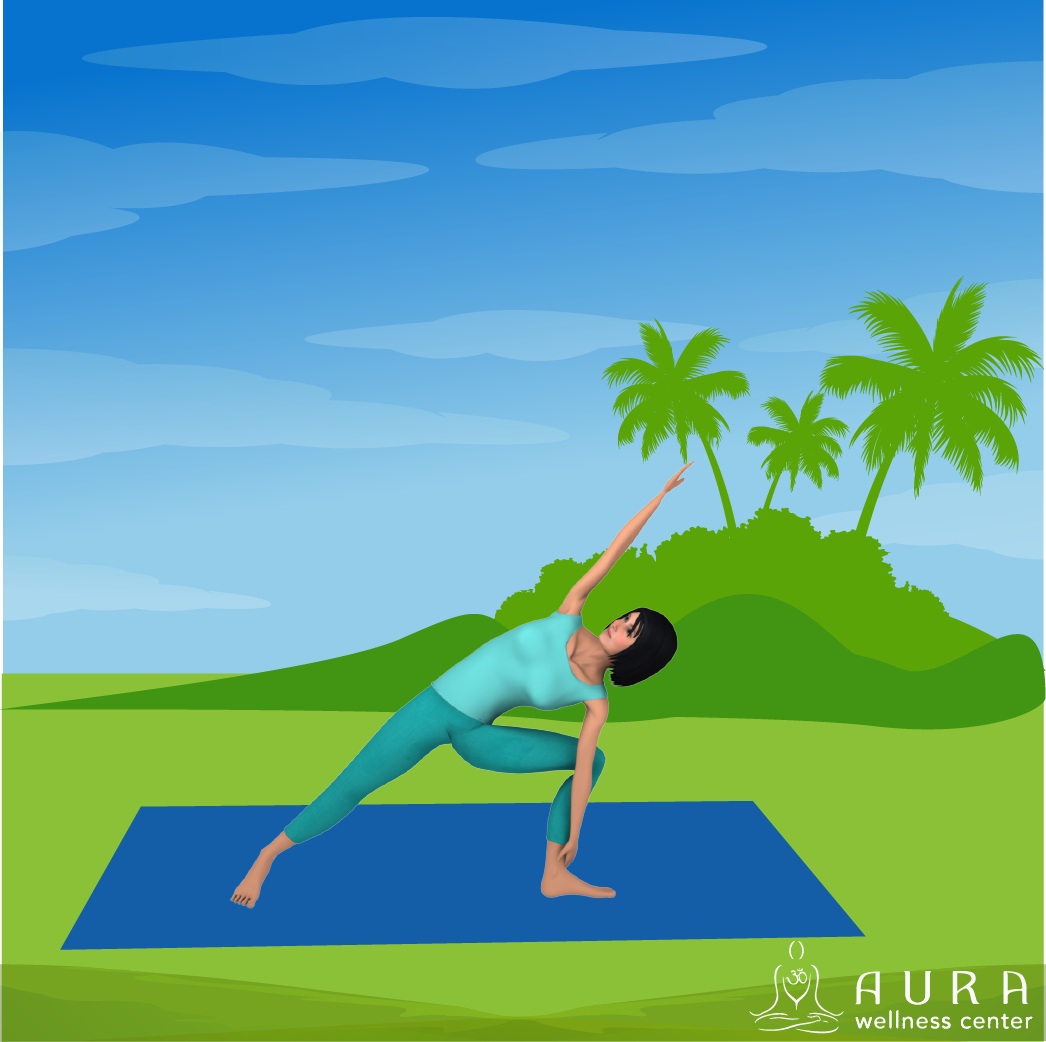
Side Angle Pose

A HEALTHY DIGESTIVE SYSTEM

By Dr. Rita Khanna

I think not many of us know much about our digestive organs. We all know about our heart and lungs, but we pay little attention to our stomach, since it takes lower priority in terms of fatal attacks. However, we definitely attack it with wrong eating habits, over eating, lack of activity, and exercise.

We only care about it when there is a colicky pain, abdominal discomfort, hunger, or loss of appetite. That is why so many people today are suffering from digestive disorders of one sort or another. A basic understanding of the digestive system, and body maintenance, is important in the quest for better health.

PROCESS OF FOOD DIGESTION

The body has two holes – the mouth and the rectum. Between them is a hollow tube which stretches from end to end, uninterrupted in its continuity, except for odd valves interspersed between the many sections. When food particles are ingested, they must be digested, absorbed, and assimilated. This transformation is aided by secretions of the stomach, liver, gall bladder, and pancreas. How the food reaches the cells is described below:

• Ingestion: Food is taken into the digestive canal through the mouth, pharynx, and esophagus.

• Secretion and Digestion: Enzymes, acids, and other chemicals, are secreted for the breakdown of food into smaller particles. This process starts in the stomach and continues into the small intestine.

• Absorption: Water and small soluble units are absorbed in the small and large intestines.

• Assimilation: Food is transported, via the bloodstream, and utilized by the cells of the body.

• Rejection: Undigested particles are expelled from the rectum and anus. This process also removes poisons from the body confines and is part of the general process of cleaning and assimilation that goes on continually.

POINTS TO REMEMBER

• The whole process goes on continually, without a break, until all the food ingested is assimilated and all the wastes are disposed off. The process is thus a smooth-flowing continuum, and each part is dependent on the other parts for its efficient functioning.

If one step goes wrong, the whole process is disturbed, and a vicious circle of bad health results. For example, when the digestive juices are not flowing, in a balanced and regulated manner, assimilation and absorption cannot take place. The whole organism is so integrated and dependent on its parts, that if one part is not working, the whole body suffers.

• The nutritive properties of food depend not only on the quality, but also on the way in which it is prepared, and the atmosphere in which it is eaten. Thus, food prepared with the important ingredients of care and love, contains a great deal of Prana and energy, and gives life to the body.

One’s mental attitude to the food is also of great importance for good digestion. Thus, try to visualize in yourself this structure – passing from end to end, like a pipe, with the rest of the body wrapped around it.

JOURNEY OF FOOD


MOUTH

Food enters the mouth, and the process of digestion begins. Within the mouth – the teeth, palate, tongue, and salivary glands all function together to make the food into a bolus – a mushy lump which will travel neatly into the stomach. The salivary glands secrete a substance containing the enzyme called ptyalin, which breaks down starch and neutralizes acids in the stomach. Saliva is secreted at a rate of one to two liters per day. Therefore, the process of digestion really starts in the mouth.

POINTS TO REMEMBER

• It is important to chew your food properly and make use of saliva and the enzymes it contains. This is the first step to proper digestion and health.

• If the body is not hungry, then the mind and brain do not trigger the digestive juices to function. Therefore, eat only when you are hungry.

• The sight and smell of food causes our digestive juices to flow, especially when it is something which we really enjoy eating. When we are hungry, we enjoy our food more. Hunger is determined by a drop in the blood sugar level. This produces contractions of the stomach wall, which last about thirty seconds each. These ripples are called ‘hunger pains’.

• If we are tense, or the chewing is inadequate, the juices will not flow properly. Therefore, do not eat if you are tense or when you have been rushing around.

• Once the food passes from the mouth, it is usually forgotten, unless we cultivate yogic awareness and try to follow it through the many different channels of the body.

• Avoid excessive indulgence, if you want to tread the path of Yoga and good health.

ESOPHAGUS (FOOD PIPE)

The esophagus starts in the throat and ends in the stomach. It is made of muscles. There are no bones in it. It is about 25 cm long and allows the food you swallow to get to your stomach. The swallowing process is quite complex, and involves the movement of the tongue to throw the food into the esophagus, and the cutting off of the air passages, to prevent food from passing into the lungs. Next time you swallow, close your eyes and try to follow the movements. Become aware of exactly what happens in this common, but usually unconscious, process.

STOMACH

The food pipe ends in the stomach. The stomach wall is thick. The food is churned and digested by the acids and enzymes secreted by the stomach wall. There are two types of stomach movement taking place during digestion:

1. In the stomach wall, muscles exert a steady and slight pressure, which squeezes the food towards the opposite end of the stomach – called the pylorus. This movement pushes the food stored in the upper part of the stomach towards the lower end, where it enters the small intestine.

2. A vigorous contracting movement mixes and churns the food, with digestive juices, and pushes it into the duodenum – the first part of the small intestine. The gastric juices include hydrochloric acid and enzymes – such as pepsin, lipase, rennin (to break down milk), protein, and fats. The stomach secretes hormones, such as gastrin. It also secretes gastric mucin, which plays an important role in the protection of the stomach wall from chemical, microbiological, and mechanical damage. This substance prevents ulcers forming on the wall of the stomach.

POINTS TO REMEMBER

The stomach is about the size of your hands cupped together. To fill the stomach, we need to eat no more than this quantity. However, the stomach can stretch to enormous proportions to accommodate the sometimes enormous amounts of food we deposit in it. For optimal digestion, fill the stomach with one third solid, one third liquid, and one third air. Food stays in the stomach for two to six hours, depending on the type of food consumed.

Fats, and non-vegetarian food, are harder to digest than other protein foods and carbohydrates. This is why a vegetarian meal gives more energy and does not create a feeling of fullness or heaviness. When we eat a big meal, more blood is drained from the brain and other vital organs to the stomach, for greater periods of time, than a light, small meal. Thus, we may feel sleepy after a large meal.

SMALL INTESTINE

The small intestine starts in the lower part of the stomach and knits itself zig-zag in the abdomen. Its length is eight meters, and it is located between the stomach and anus. The inside of the small intestine is held in place by tissues, which are attached to the abdominal wall. The outer side of the wall of the intestine is very delicate. The inner side of the wall of the intestine has hundreds of thousands of villi (hair like projections), which contain blood vessels and lacteals to absorb food. These villi serve to increase the surface area of the absorption mechanism enormously, from 76,000 square centimeters to 4,500 square meters, the size of three tennis courts placed next to each other. Thus, there is plenty of room to absorb nutrients from food.

POINTS TO REMEMBER

We must be sure that the nutrients of the food are accessible to the process of absorption. This means that we must chew our food properly, and with awareness, in order to break down the components. We should also be relaxed to allow the correct concentration of acids, enzymes, and hormones for optimum digestion.

The water we drink enters in to the intestine after about ten minutes, but non- vegetarian diet takes about four hours to enter into intestine. It takes about six to eight hours for digesting the food. The small intestine is the longest section of the digestive tube, and consists of three segments, forming a passage from the pylorus to the large intestine:

• The first part of the small intestines is called Duodenum. It is the shortest segment of the intestine, which is 25 centimeter long, and it starts from the lower end of the stomach. It is roughly horseshoe-shaped, with the open end up and to the left, and it lies behind the liver.

Duodenum receives partially digested food from the stomach and begins the absorption of nutrients. The food is further digested by juices from the liver, and pancreas, which pour down a common bile duct.

The duodenal secretion enters into the blood, and reaches the pancreas, to stimulate it to secrete its alkaline juice and enzymes for the digestion of the food. About one liter of the juice, from the pancreas, enters into the duodenum, in a day, which decreases the acidity of the material coming from the stomach. If it is disturbed, it may lead to ulcers.

• After leaving the duodenum, food passes into the Jejunum, another part of the small intestine. This tube of muscle is two, to two and half meters long; d this part is not really small, but it is thinner than the large intestine, which is short. In jejunum, most of the nutrients are absorbed into the blood.

• It is followed by the four meters long part of the small intestine, which is known as Ileum, where the remaining nutrients are absorbed, before moving into the large intestine.

IMPORTANCE OF THE SMALL INTESTINE

• The food entering into the intestine, from the stomach, contains acid. If such food enters into the intestine suddenly, it may damage the intestine, and it can decrease the digesting capacity of the digestive juices. However, the small intestine converts the indigestible food into the acceptable form, and provides us the elements to maintain life. It can be called as a large food processing plant.

• Through this digestible food, the energy for blood circulation, muscle power, as well as generation of the cells of the body, is obtained.

• Intestines convert lipids (fat) into fatty acids and glycerol.

• The conversion of carbohydrates (notably starch), into glucose, is done by the intestines.

• Even after eating excessively, the special capacity of the intestine manages to keep the person well.

• The intestines digest everything inside the food, except the fibers of the fruits, vegetables, and peels.

LARGE INTESTINE

At the end of the small intestine, there is ileo-cecal valve, connecting it to the large intestine. The length of the large intestine is equal to the height of the person. It starts in the right lower part in the abdomen, at the end of the small intestine.

It proceeds upwards and turns to left, and then proceeds downwards, and ends in the anus. After the digestion is over, the substances, which have not been absorbed in the small intestine, enter the large intestine, in the form of liquid and fiber.

The water is re-absorbed from the large intestine, which enters into the blood and goes to the liver. The liver makes blood from extracted food juice and sends the blood to the heart. The other dirty liquid is sent to the kidneys. The kidneys purify it and send the uric acid to the bladder, from where it comes out in the form of urine.

The remaining unabsorbed materials, such as the skins of fruit and vegetables (mainly cellulose), bile, and intestinal secretions, including mucus, dead bacteria, white blood cells, and cells from the walls of the intestines are excreted by the large intestine. They all get collected in the rectum, which comes out through anal canal.

RECTUM

• Defecation is a complex reflex act. As the passage of faeces into the rectum distends the muscular tube, signals are sent to the conscious and unconscious parts of the brain. This brings about a conscious voluntary decision to inhibit or permit reflex evacuation. If we are relaxed, the process occurs all the more efficiently.

• The parasympathetic system, which is concerned with relaxation of the whole body, allows the sphincters to open and the muscle wall to contract, propelling faeces out of the anus.

• A great many disorders are connected directly to the malfunction of the digestive system. In this way, the digestive system has a direct influence on one’s daily life. You must have noticed for yourself that when you are experiencing digestive troubles, you tend to be pessimistic and easily irritated. Conversely, a healthy digestive system allows one to be happy and free from pain, worry and suffering, to make you cheerful and optimistic.

FOOD FOR THOUGHT

• After swallowing, food takes approximately three seconds to travel from the mouth to the stomach. It takes one to five minutes for the first mouthful to enter the duodenum, and twenty minutes for half the consumed food to leave the stomach. In four and a half hours, it travels from the duodenum to the end of the small intestine. After five and a half hours, the first mouthful has reached the start of the large intestine, the caecum.

The first mouthful of food takes nine and a half hours to reach the end of the large intestine, the sigmoid colon. From start to finish, the complete process of digestion takes from twelve to twenty-four hours.

• Next time you have a meal, try to increase your body awareness by following the progress of digestion in your body. Of course, you will have to remember throughout the day, that the process is going on, but this exercise will increase your awareness.

• Another interesting exercise is to visualize the tubes concerned with defecation, when you go to the toilet. Awareness can be expanded any time and anywhere. There should be no limitations to your awareness, and no psychic blocks or complexes concerning bodily functions.

YOGA AND A HEALTHY DIGESTIVE SYSTEM

A healthy digestive system means energy and vitality; it reflects a positive lifestyle. Yoga is the way to bring about a relaxed, efficient, and harmonious digestive system. It is the key, by which the body systems can be tuned to a state of good health. This includes the nervous system, which co-ordinates such activities as observing the food, and conscious appreciation of it – right down to the last stage where defecation occurs.

YOGASANA FOR THE INTESTINES

In order to keep the digestive system healthy, we must have strong intestines. There are many exercises for the intestines in the form of Surynamaskara, Halasana, Paschimottansana, Shaahankasana, and Yogamudra.

Among all these – Yogamudra is very helpful in regularizing digestion and problems of the gastrointestinal system.

YOGAMUDRA TECHNIQUE


Sit on a mat, on an even surface, in any comfortable Asana. It can be Padmasana, Vajrasana, or Sukhasana. If possible, sit in Padmasana (lotus posture). For Padmasana, bring your right leg over the left thigh, then left leg over the right thigh, sit straight, bring your hands behind the back, hold your left wrist with your right hand, make a fist, and put your thumb inside the fist.

Inhale and stretch the spine. Gently breathe out, and bend forward, till the forehead touches the ground. Keep the eyes closed. Hold the breath outside. It is called, Bahyakumbhaka. Practicing Yogamudra, with Bahyakumbhaka, increases digestion capacity because the blood circulation decreases in the legs, and it is available in the intestine. The blood circulation also increases towards the heart and the brain. There is stretching of the back muscles and massage to the intestine.

If you can’t hold the breath, do normal breathing. Do it for about 20 seconds in the beginning, and increase the time gradually to about five to fifteen minutes, without any fear. For coming up, inhale and slowly lift your head from the ground. It can be done when the stomach is empty or four hours after taking the food. Persons of all ages can practice Yogamudra fearlessly.

BENEFITS

The upper energy of the navel, and the lower energy of the navel, come together in the posture, and then helps in better digestion – it increases flexibility of the knee, hip, and ankle joints – relaxes the neck, back, and arms. Regular practice of Yogamudra gives relief from constipation. indigestion, gas formation, chronic colitis, leucorrhoea, knee joint pain, low backache, and burning sensation in the eyes, which arises from the problem of chronic constipation.

Om Shanti

If you feel inspired by this article, feel free to publish it in your Newsletter or on your Website. Our humble request is to please include the Resource as follows: Courtesy: Dr. Rita Khanna’s Yogashaastra Studio. A popular studio that helps you find natural solutions for complete health.

Mobile: + 919849772485 Ph:-91-40-65173344

Email: yogashaastra@gmail.com

Website: www.yogashaastra.in

Dr. Rita Khanna

Dr. Rita Khanna is a well-known name in the field of Yoga and Naturopathy. She was initiated into this discipline over 25 years ago by world famous Swami Adyatmananda of Sivananda Ashram in Rishikesh (India).

She believes firmly that Yoga is a scientific process, which helps us to lead a healthy and disease-free life. She is also actively involved in practicing alternative medicines like Naturopathy. Over the years, she has been successfully practicing these therapies and providing succour to several chronic and terminally ill patients through Yoga, Diet and Naturopathy. She is also imparting Yoga Teachers Training.

At present, Dr. Rita Khanna is running a Yoga Studio in Secunderabad (Hyderabad, India).

Become the Best Possible Yoga Teacher in Five Easy Steps

By Paul Jerard, E-RYT 500

The more we know, the more we realize how much more there is to learn. In Yoga, and in life, each day is a new lesson. Some interns think that, the material they learn in a 200 hour Yoga teacher training will be the “end all” to their education.

After a month into teaching, most of us of us develop a method for expanding our continuing education. The following five tips will help any Yoga teacher gradually reach maximum potential, while living a multi-faceted life.

1. Determine your exact direction. This may depend on the needs of your students or your own quest for personal growth. Whether you are considering training toward the 500 hour level, or becoming a Yoga teacher specialist, you want to draw up a plan to stay on course – without getting “side tracked.”

2. Move forward with purpose. Do you think you can make a habit of studying Yoga for one hour per day? It seems reasonable enough. Imagine how much you could learn in one year. After one year, you will have 365 hours of independent study – in a direction that you can apply toward your student’s needs, your personal growth, or both.

3. Take a realistic look at the pace of your progress. Even when we have a deep passion for Yoga, we must realize that independent study is not a race. Not everyone can study for seven hours per week. Some will study more, but most will study less. It is best to set a steady pace and enjoy life along the way.

4. Reflect back on your progress. It is easy to start a journey, but many can become discouraged along the path. Stop to think about how much you have accomplished. If we invest just four hours of study per week, we have 52 hours of study after three months. Your own continuing education program is a big help to students who depend on your knowledge.

5. Make continuing education a regular part of life. Education, in a subject that we find fascinating, is stimulating, and makes life worth living. As Yoga teachers, we realize that we are students for life. There are many benefits that come with a Yoga teaching position. The lifestyle is healthy. The continuing education stimulates your mind. Your students adopt a less stressful lifestyle. You feel the rewards of watching your students improve their lives.

© Copyright 2010 – Paul Jerard / Aura Publications

FREE Yoga Report. FREE Yoga Newsletter. FREE Yoga Videos. Free Podcasts. Bonus: Free Yoga e-Book, “Yoga in Practice.”

FREE CONTENT: If you are a Yoga Teacher, Yoga studio, blogger, e-zine, or website publisher, and are in need of quality content, please feel free to use my blog entries (articles). Please be sure to reprint each article, as is, including the resource box above. Namaste, Paul

Trikonasana – Yoga Posture for Back Pain Management

By Paul Jerard, E-RYT 500

There are so many forms of back pain, that it seems impossible for Yoga to help them all. Truthfully, Hatha Yoga is great for pain prevention, but it also helps one cope with chronic back pain. If your day is filled with chronic back pain, less or no pain seems like a miracle. On the other hand, long term inflammations and chronic pain can make any form of adjustment or movement a challenge.

What can one do to get enough pain relief to practice Hatha Yoga, exercise, or physical therapy? In the case of a person who is in severe pain, no matter what he or she does, a physician may recommend a shot of marcaine, triamcenalone, or both. There is a school of thought that believes medication should be avoided at all costs. In reality, pain, and your tolerance of it, will make you come to a personal decision quickly. Each of us is different, and there is no need to make comparisons.

Doctors and chiropractors often recommend Yoga for back pain, but we want to make sure there is a doctor’s approval before beginning a practice. Once approval is received, it is wise to seek out a competent Yoga teacher, with expertise in back pain management. If a prospective Yoga teacher shows no sign of compassion and competence, search until you find one who meets your needs.

With safety in mind, each of us learns to explore the body gradually. Never force or lock a joint while practicing Yoga postures. Learn to incorporate Yogic breathing techniques, as you become comfortable with your practice, and do not skip past foundational Yoga instruction. Listed below are details concerning Trikonasana, which should help a person experiencing chronic back pain.

Trikonasana (Triangle Pose): This is an open twist, which is usually practiced from a standing position, but Chair Yoga practitioners may have learned to do this from a seated position. So many muscles are involved when practicing Trikonasana, that many people forget about the benefits to the skeletal structure.

To reduce pain in the back, the parts of the skeletal structure we are concerned with are the spine, shoulders, pelvis, and hip joints. When we consider back pain, all of these parts come into play, but we often forget that hips have limited range of motion while we move them from side to side. The hips have great range of motion going into a forward bend, but they are designed for stability more than mobility. Forcing the hips into abduction puts excessive torque on the SI joints.

One method to consider is the use of a chair, tall block, or a short stool while practicing Trikonasana. Forget the “cookie cutter” photographs of 19 year old models performing this posture. Forget the dogma from Yoga teachers who want to force your hips to rotate forward. Each skeleton is different. When you mindfully practice Trikonasana, you gently work the hips, pelvis, SI joints, and the rest of your spine, to reduce, or prevent, pain.

© Copyright 2010 – Paul Jerard / Aura Publications

FREE Yoga Report. FREE Yoga Newsletter. FREE Yoga Videos. Free Podcasts. Bonus: Free Yoga e-Book, “Yoga in Practice.”

FREE CONTENT: If you are a Yoga Teacher, Yoga studio, blogger, e-zine, or website publisher, and are in need of quality content, please feel free to use my blog entries (articles). Please be sure to reprint each article, as is, including the resource box above. Namaste, Paul